

THCA vs THC is a common comparison for anyone exploring hemp-derived products. While both compounds come from the same plant, they differ significantly in structure, effects, and how they are used. Understanding the difference between THCA and THC helps consumers make informed decisions when choosing products that align with their preferences and expectations.
Understanding the Basics of THCA and THC
THCA (tetrahydrocannabinolic acid) and THC (tetrahydrocannabinol) are closely related cannabinoids found in hemp and cannabis plants. THCA is the natural precursor to THC and exists in raw, unheated plant material. THC is formed when THCA is exposed to heat through a process known as decarboxylation.
Because of this chemical difference, THCA and THC interact differently with the body and are often categorized separately in product labeling and discussions. for more Information about thca view
How THCA and THC Affect the Body
One of the most important differences between THCA and THC lies in how they affect the body. THCA, in its raw form, does not produce the intoxicating effects commonly associated with THC. This is because THCA does not bind strongly to receptors in the endocannabinoid system in the same way THC does.
THC, on the other hand, is well known for its psychoactive effects. Once THCA is converted into THC through heating, it becomes capable of producing those effects.
This distinction is a major reason why consumers carefully evaluate THCA vs THC when selecting products.
Chemical Structure and Conversion
From a chemical standpoint, THCA and THC are nearly identical except for one key element. THCA contains an additional carboxyl group, which prevents it from fully interacting with cannabinoid receptors.
When heat is applied, this carboxyl group is removed, converting THCA into THC. This transformation explains why raw hemp flower differs chemically from heated or processed products.
Understanding this conversion process helps clarify why THCA products are often stored, handled, and labeled differently.
Legal Considerations: THCA vs THC
Legal considerations are another important factor in the THCA vs THC discussion. In the United States, hemp-derived products must comply with specific regulations regarding delta-9 THC content. Many THCA products are sourced from federally compliant hemp and are tested to ensure they meet applicable standards.
THC products, by contrast, are regulated differently depending on state laws. Consumers should always review product details and lab results to ensure compliance and transparency. for more information
Common Product Types Featuring THCA or THC
Both THCA and THC appear in a variety of product formats. Common options include:
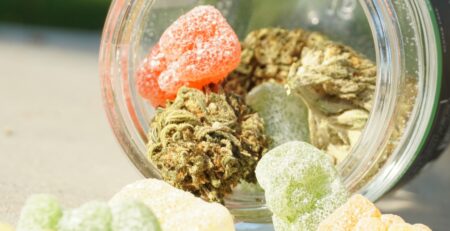
- Raw or minimally processed flower
- Concentrates and extracts
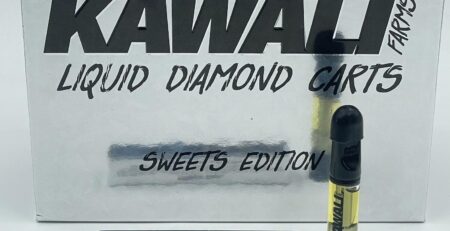
- Vapes and cartridges
- Edibles and infused products
When comparing THCA vs THC products, it’s important to understand how processing methods and heat exposure may influence the final cannabinoid profile.
THCA flower → Flower category
THCA concentrates → Concentrates category
Which Option Is Right for You?
Choosing between THCA and THC products depends on individual preferences, intended use, and familiarity with cannabinoids. Some consumers prefer products that emphasize raw cannabinoid profiles, while others seek products that have undergone conversion through heating.
Regardless of preference, selecting products that are clearly labeled, lab tested, and transparently sourced is essential for an informed purchasing experience.
CONCLUSION
Comparing THCA vs THC provides valuable insight into how cannabinoids differ in structure, effects, and legal treatment. By understanding these differences, consumers can make confident decisions and choose products that best align with their needs and expectations.




Leave a Reply