
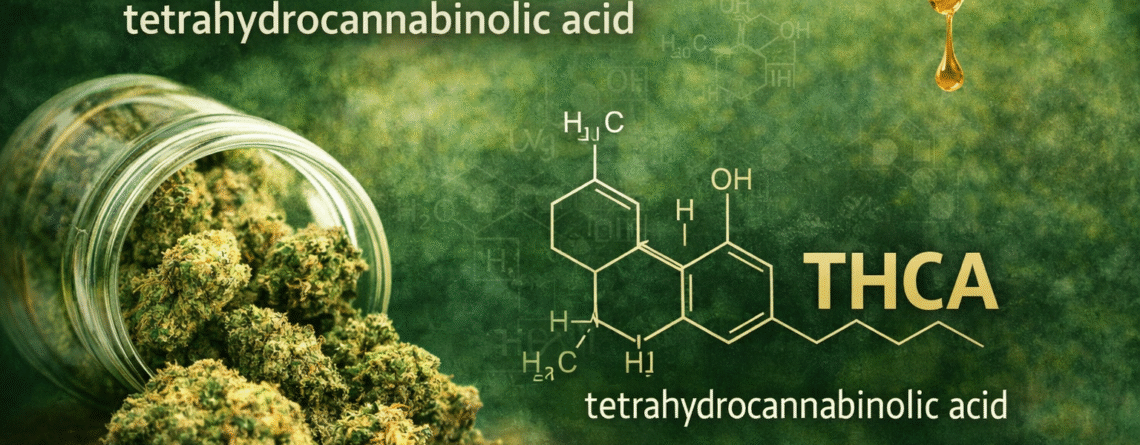
What is THCA? THCA, short for tetrahydrocannabinolic acid, is a naturally occurring cannabinoid found in raw hemp and cannabis plants. Unlike THC, THCA exists in its acidic form and does not produce intoxicating effects when consumed in its natural state. As interest in premium THCA products continues to grow, many consumers are looking to better understand how THCA works, how it differs from THC, and whether THCA is legal to purchase online.
How THCA Works in the Hemp Plant
THCA is produced naturally in the trichomes of hemp and cannabis plants as they grow. In its raw form, THCA remains chemically stable and does not cause the psychoactive effects commonly associated with THC. When exposed to heat through processes such as smoking, vaping, or cooking, THCA can convert into THC through a process called decarboxylation.
Because THCA exists before this conversion takes place, many consumers seek THCA products that are carefully handled and stored to preserve the compound in its original form. This is why lab testing and proper sourcing are important when purchasing premium THCA products.
THCA vs THC: What’s the Difference?
The primary difference between THCA and THC lies in their chemical structure and effects. THCA is the non-psychoactive precursor to THC. In its raw form, THCA does not produce the intoxicating experience that THC is known for.
THC, on the other hand, is formed when THCA is heated and converted. This difference is why many THCA products are marketed separately and clearly labeled to help consumers make informed decisions. Understanding THCA vs THC allows buyers to choose products that align with their preferences and intended use.
Legal Status in the United States
The legality of THCA depends on how it is derived and whether it complies with applicable hemp regulations. In the United States, hemp-derived products are federally legal when they meet specific requirements, including limits on delta-9 THC content.
Many premium THCA products are sourced from federally compliant hemp and are independently lab tested to verify compliance. Consumers should always review lab results and product descriptions before purchasing to ensure transparency and quality.
Common Types of THCA Products
THCA is available in several product formats, allowing consumers to choose what best suits their needs:
- THCA flower made from premium hemp buds
- THCA concentrates for more refined options
- THCA vapes designed for convenience
- THCA edibles crafted with careful dosing
Each format offers unique characteristics, making it important to choose products that are lab tested and clearly labeled.
The Importance of Third-Party Lab Testing
Lab testing plays a critical role in ensuring the quality and safety of THCA products. Independent third-party testing verifies cannabinoid content, checks for contaminants, and confirms compliance with regulatory standards.
Premium THCA products are typically accompanied by Certificates of Analysis (COAs), which allow customers to review detailed testing information before making a purchase. This transparency helps build trust and supports informed buying decisions.
Who Should Consider THCA Products?
THCA products are often chosen by consumers who value clean sourcing, transparency, and clearly defined cannabinoid profiles. Whether someone is new to hemp-derived products or experienced in cannabinoid selection, THCA products offer an option that emphasizes quality and compliance.
As with any hemp-derived product, consumers are encouraged to research thoroughly and choose reputable sources that prioritize testing and customer education.
CONCLUSION
Understanding what THCA is helps consumers make confident and informed decisions when exploring hemp-derived products. By choosing premium THCA products that are lab tested and transparently sourced, customers can better align their purchases with quality, safety, and reliability.
For general information on cannabinoids and hemp-derived compounds, you can review guidance from the U.S. Food & Drug Administration (FDA):
FDA guidance on cannabis-derived compounds .




Leave a Reply